
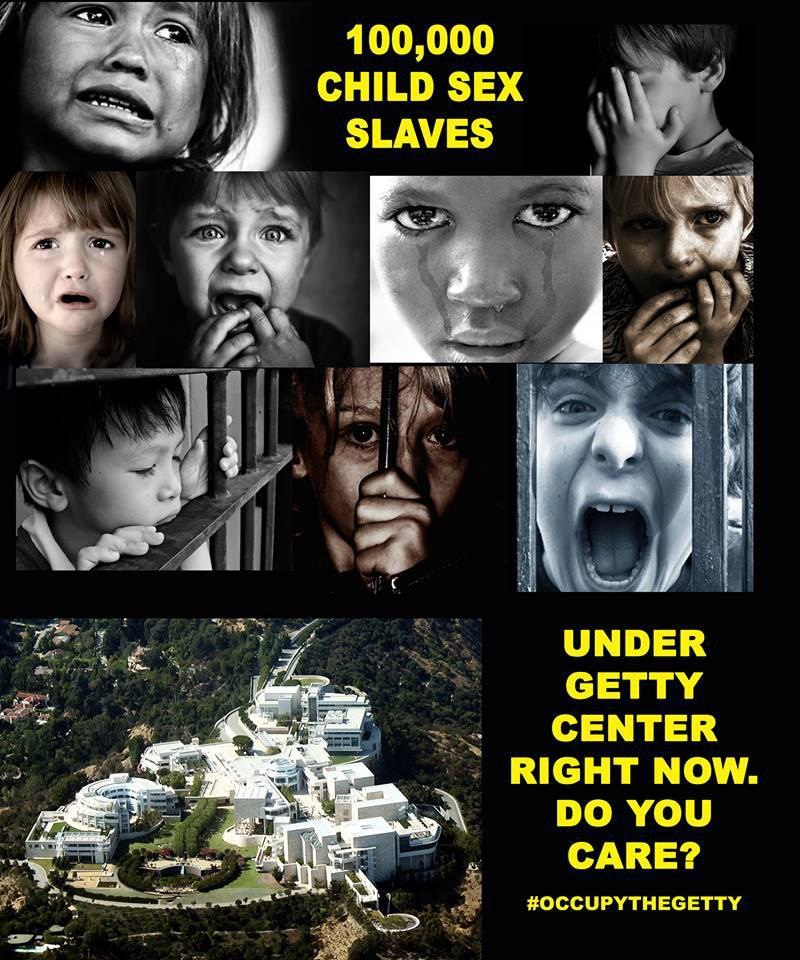
Human Trafficking involves more then just Sexual Abuse.
This definition emphasizes three key elements: the act (recruitment, transportation, etc.), the means (force, fraud, coercion, etc.), and the purpose (exploitation). Notably, the consent of the victim is irrelevant if any of the means are used, and for children under 18, no means need to be proven if exploitation is involved.United States DefinitionIn the US, the primary official definition is provided by the Trafficking Victims Protection Act (TVPA) of 2000, as amended. The US Department of Justice defines human trafficking as a crime involving the exploitation of a person for labor, services, or commercial sex.
More specifically:
- Sex Trafficking: The recruitment, harboring, transportation, provision, obtaining, patronizing, or soliciting of a person for the purpose of a commercial sex act, in which the commercial sex act is induced by force, fraud, or coercion, or in which the person induced to perform such act has not attained 18 years of age.
- Labor Trafficking: The recruitment, harboring, transportation, provision, or obtaining of a person for labor or services, through the use of force, fraud, or coercion for the purpose of subjection to involuntary servitude, peonage, debt bondage, or slavery.
Under US law, force, fraud, or coercion are not required for minors in sex trafficking cases—any commercial sex act involving a minor is considered trafficking.
This aligns closely with the UN definition but is tailored to US federal enforcement, with penalties under 18 U.S.C. § 1589-1594.These definitions are used by agencies like the Department of Homeland Security, Department of Labor, and Department of State for identification, prosecution, and victim support.
Tomorrow night’s X space. Come join us. https://t.co/ydpoJRuSRo
— RyanMatta 🇺🇸 🦅 (@RyanMattaMedia) November 24, 2025



0 Comments