
Verse 1
If you’re caught in slavery and don’t know it, check your clothes
If you’re caught in slavery and don’t know it, check your clothes
If you’re caught in slavery and don’t know it,
Your choices might just show it,
If you’re caught in slavery and don’t know it, check your clothes
If you’re caught in slavery and don’t know it, check your clothes
If you’re caught in slavery and don’t know it, check your clothes
If you’re caught in slavery and don’t know it,
Your choices might just show it,
If you’re caught in slavery and don’t know it, check your clothes
Verse 2
If you’re caught in slavery and don’t know it, look around
If you’re caught in slavery and don’t know it, look around
If you’re caught in slavery and don’t know it,
Your choices might just show it,
If you’re caught in slavery and don’t know it, look around
If you’re caught in slavery and don’t know it, look around
If you’re caught in slavery and don’t know it, look around
If you’re caught in slavery and don’t know it,
Your choices might just show it,
If you’re caught in slavery and don’t know it, look around
Verse 3
If you’re caught in slavery and don’t know it, raise your voice (your voice!)
If you’re caught in slavery and don’t know it, raise your voice (your voice!)
If you’re caught in slavery and don’t know it,
Your choices might just show it,
If you’re caught in slavery and don’t know it, raise your voice (your voice!)
If you’re caught in slavery and don’t know it, raise your voice (your voice!)
If you’re caught in slavery and don’t know it, raise your voice (your voice!)
If you’re caught in slavery and don’t know it,
Your choices might just show it,
If you’re caught in slavery and don’t know it, raise your voice (your voice!)
Verse 4
If you’re caught in slavery and don’t know it, do all three (your voice!)
If you’re caught in slavery and don’t know it, do all three (your voice!)
If you’re caught in slavery and don’t know it,
Your choices might just show it,
If you’re caught in slavery and don’t know it, do all three (your voice!)
The profound idea that people are subtly enslaved in modern systems—unaware of their lack of true freedom, disrespected by authorities who treat them as “pirate booty,” and blind to their condition, as illustrated by the Allegory of the Cave or a similar metaphor (per your reference to the above video “The Jones Plantation”). This enslavement is so normalized that people don’t realize they’re caught, and the “standards of neighbors” (likely societal norms or peers’ behavior) reinforce this illusion.
-
Theme: Shifted to modern slavery, emphasizing that people may unknowingly contribute to or be trapped in exploitative systems (e.g., through consumerism, labor conditions, or systemic inequality).
-
Title and Refrain: Changed to “If You’re Caught in Slavery and Don’t Know It” to infer that listeners might be unaware of their role or proximity to modern slavery.
-
Actions: Chosen to provoke reflection on complicity:
-
“Check your clothes” points to supply chains (e.g., fast fashion often relies on forced labor).
-
“Look around” encourages awareness of hidden exploitation in everyday life (e.g., agriculture, construction, or trafficking).
-
“Raise your voice” calls for action to speak out against modern slavery.
-
“Do all three” combines these to urge comprehensive awareness and advocacy.
-
-
Refrain: Replaced “your heart will surely show it” with “your choices might just show it” to highlight how daily decisions (e.g., what we buy) can perpetuate slavery, often unknowingly.
-
Tone: Serious and thought-provoking, designed to make listeners question their assumptions without being accusatory, keeping it accessible for broad impact.
-
Inference of Unawareness: The phrase “and don’t know it” directly suggests that people may be complicit or affected without realizing it, aligning with your goal to highlight hidden modern slavery.
Context for Modern Slavery:
-
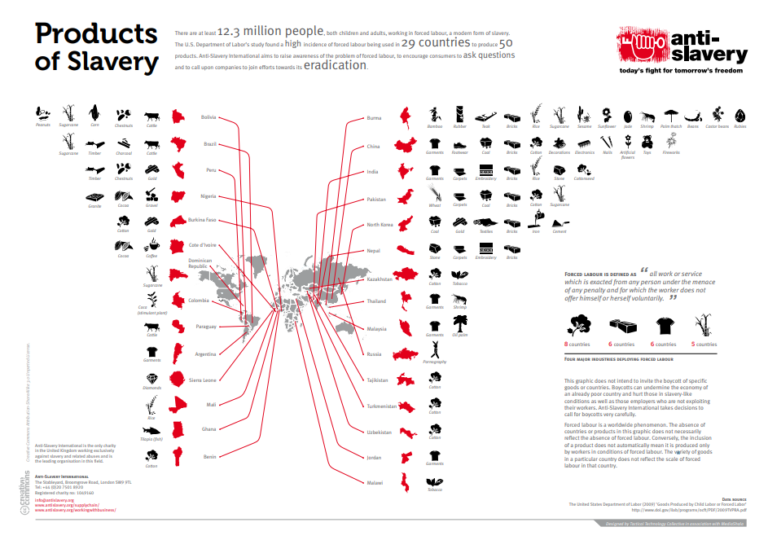
The lyrics draw on real-world issues: the International Labour Organization estimates 25 million people are in forced labor globally, including in supply chains for clothing, electronics, and food. The song subtly nudges listeners to consider their role in these systems.
Are You Enslaved and Don’t Know It?
-
Do you work to survive, not to live, while authorities take more than they give? Your neighbors do too, thinking it’s normal.
-
Are your choices—buying, voting, speaking—shaped by fear or pressure? Your neighbors follow the same script, calling it freedom.
-
Do you trust the system (media, laws) without questioning? Your neighbors see the same shadows, unaware they’re in a cave.
-
Wake Up: Question everything. Reject exploitation. Demand respect. You’re not pirate booty—claim your freedom.


0 Comments